From Service to Self-Reliance A New Path for Veterans in Civilian Life
Leaving the military can feel like stepping out of a clear structure into open ground. The mission changes. The uniform comes off. The schedule, rank, team, and daily purpose may no longer be there in the same way.
That shift can bring relief, pride, grief, stress, freedom, and uncertainty all at once. For many veterans, civilian life is not just about finding a job. It is about healing, building new skills, creating stability, and finding a focus that can carry them into long-term independence.

Civilian life needs a new kind of mission
Military life often gives each day a clear purpose. There are tasks, standards, roles, and people depending on each other. Civilian life can feel less defined. That lack of structure can be one of the hardest parts of transition.
A helpful first step is to define a new mission in plain language. It does not need to sound impressive. It needs to be useful.
A new mission might be:
Build a stable home life
Train for a trade or degree
Reconnect with family
Improve physical and mental health
Start a small business
Serve the community in a new way
The point is to create direction. Purpose does not have to disappear after service. It may simply need a new form.
Some veterans find purpose in public service, emergency response, coaching, skilled trades, logistics, healthcare, farming, technology, or mentorship. Others need time before choosing a path. Both are valid. Transition is not a race.
Healing is part of building independence
Self-reliance is often misunderstood. It does not mean doing everything alone. It means becoming steady enough to make choices, ask for the right help, and keep moving forward.
Healing may involve physical recovery, mental health care, peer support, spiritual guidance, family counseling, or simply time in a safer rhythm of life. Veterans may carry injuries that others can see, and others that remain private. Both deserve care.
This content is informational only and is not a substitute for professional medical, mental health, legal, or financial advice.
A strong support plan can include:
A primary care provider or VA care team
A licensed counselor or therapist
A trusted peer group
Regular exercise that fits the body’s limits
Sleep routines and reduced alcohol or substance use
Time outdoors, hobbies, or faith practices
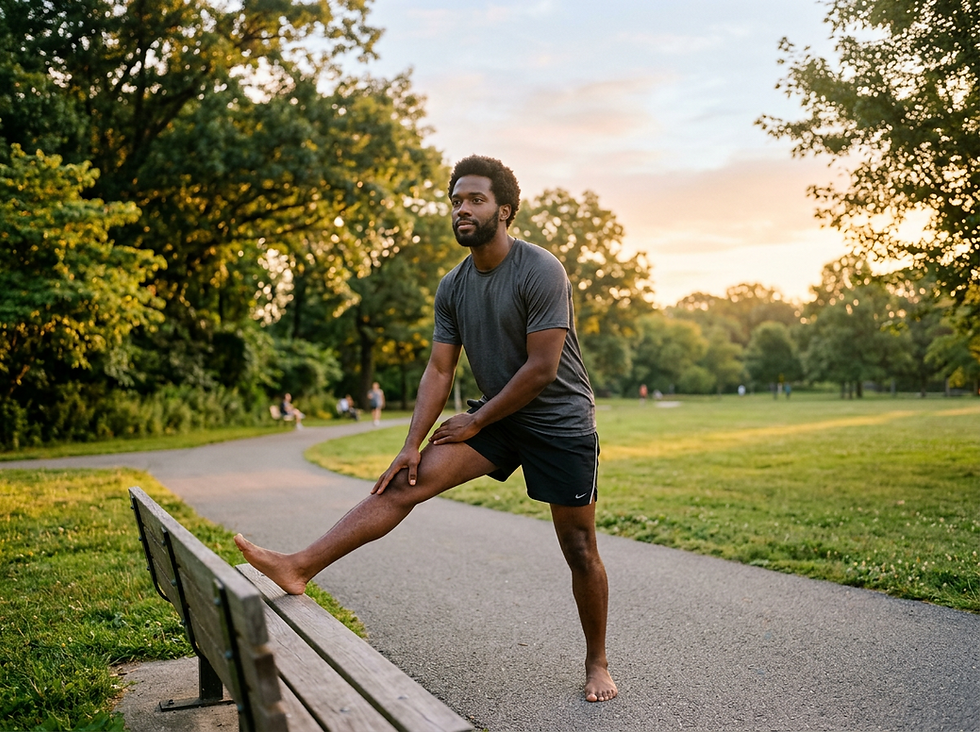
Small routines matter. A morning walk, a weekly appointment, or one honest conversation with another veteran can become part of a stronger foundation.

Skills from service can translate into civilian strength
Many veterans underestimate how much they already bring into civilian life. Military experience often builds discipline, teamwork, problem-solving, risk awareness, responsibility, and calm under pressure. Those strengths matter outside the military too.
The challenge is translating them into civilian language.
Instead of saying, “I was responsible for equipment,” a veteran might say, “I tracked, maintained, and accounted for high-value equipment in demanding conditions.”
Instead of saying, “I led a team,” they might say, “I trained, scheduled, and supervised a team while meeting strict safety and performance standards.”
This translation helps with resumes, interviews, school applications, and business plans. It also helps veterans see their own value more clearly.
New skills can build on old ones. A veteran who worked in mechanics may move into diesel technology, aviation maintenance, or advanced manufacturing. Someone with logistics experience may train in supply chain management. A medic may pursue nursing, emergency medical services, or health administration.
The goal is not to start from zero. The goal is to connect past service to a future that fits.
Education and training can create a stable next step
Training gives structure during a time when structure may be missing. It also creates a bridge between past experience and future independence.
Good options may include:
Community college programs
Apprenticeships
Trade certifications
Commercial driver training
Information technology certificates
Entrepreneurship programs
Licensing paths in healthcare or public safety
The best choice depends on health, family needs, location, finances, and long-term goals. A short program may be right for one person. A four-year degree may be right for another. Some veterans do better with hands-on training than classroom-heavy programs.
Before choosing a path, it helps to ask direct questions:
What kind of work can I see myself doing every day?
Does this path support my health and family life?
What training is required?
Are there veteran benefits or grants that can help?
What jobs are actually available in my region or nationwide?
A practical plan beats a vague dream. A veteran does not need to know the whole future. The next right step is enough.

Independence grows through community
The word independence can sound lonely, but real independence often grows through connection. Veterans who build strong civilian lives usually do not do it in isolation. They find people, places, and routines that help them stay grounded.
Community might come from a veterans organization, a church, a volunteer group, a trade program, a recovery group, a sports team, or a neighborhood project. It can also come from helping others.
Service does not have to end when military service ends. Mentoring younger veterans, coaching youth sports, volunteering after disasters, or helping at a local food pantry can restore a sense of usefulness. It can also reduce the isolation that sometimes follows transition.
Family relationships may also need time and care. Loved ones may not fully understand what changed during service. Veterans may not always know how to explain it. Patience on both sides matters. Clear routines, honest talks, and shared goals can help rebuild trust.
Self-reliance is stronger when it includes healthy support.
A simple plan for the next year
A full civilian life can feel too big to plan all at once. A one-year plan makes it more manageable.
One useful approach is to choose one goal in each area:
Health
Work or training
Money
Relationships
Purpose
Schedule care, start a fitness routine, or join a support group
Apply for a program, update a resume, or explore apprenticeships
Build a basic budget, review benefits, or reduce one debt
Reconnect with family, find peers, or join a local group
Volunteer, mentor, coach, create, or serve in a new way
This plan should stay flexible. Life after the military can bring delays, paperwork, health issues, family needs, or unexpected opportunities. Flexibility is not failure. It is part of adapting.
Progress may look quiet. It may be showing up to class, sleeping better, going to counseling, finishing one certification, making one hard phone call, or getting through a difficult week without giving up.

The path forward can be built one step at a time
Civilian life after service asks veterans to build a new identity without losing the strength of the old one. That takes time. It also takes care, patience, training, and support.
From Service to Self-Reliance A New Path for Veterans in Civilian Life is not about leaving the past behind. It is about using what service taught, healing what needs attention, and building a future with purpose.
The next step does not have to be perfect. It only has to be real. One appointment, one class, one application, one conversation, or one new routine can become the start of a steadier life.
The Rebuild Process


Comments